

The people behind Pavilion Places
Pavilion Places is a small team whose experience runs from the site cabin to the credit committee. We have funded and managed development for institutions, costed and controlled it as surveyors, and built it as contractors. That range is the point: a project goes wrong in the gaps between those roles, and we have worked in all of them.
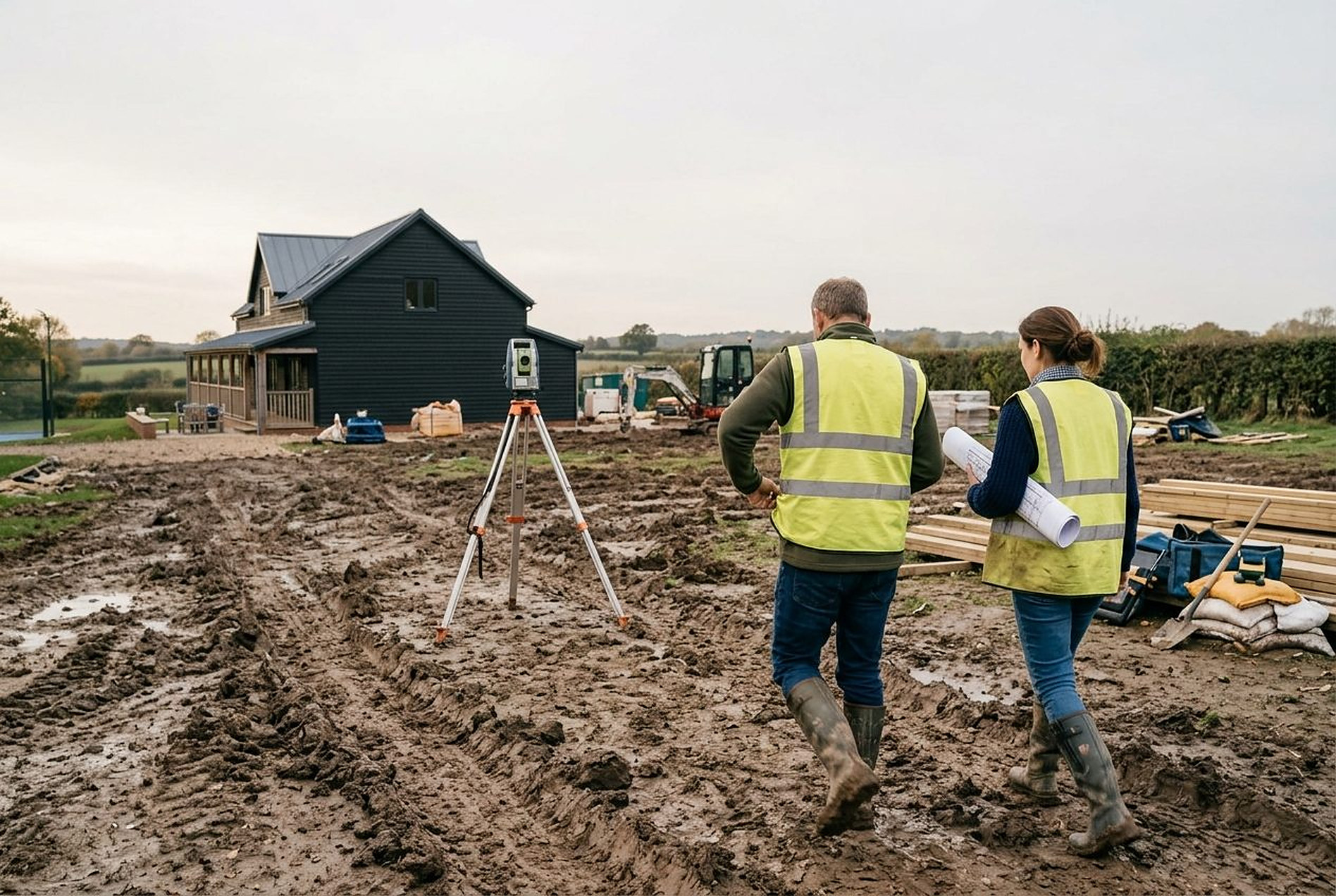
From contracting to funding
Appraisals, business plans, joint ventures and debt, written in the language lenders and investors use, because we have sat on their side.
Surveyor-led discipline from feasibility to final account: tendering, procurement, change control and regular reporting against the number agreed.
Architectural engineering and civils experience, so the design is buildable, the ground is understood and the drawings are coordinated before anyone digs.
Principal contracting and site management, trades from established partners under our control, and the operational launch that turns a finished building into a working place.
Why we spend longer on the early stages
Most cost is committed before a spade goes in. We front-load the thinking: brief, ground, services, planning risk and operating model are settled before the design is drawn, so they are not reopened on site at ten times the price.
Clashes found on a drawing cost an afternoon; clashes found in a trench cost a fortnight. Design is coordinated and costed stage by stage, and the contractor's questions are answered before tender, not after.
Ground conditions, weather, lead times and planning conditions change on every job. Right first time does not mean rigid: it means a plan with the contingency, the sequencing and the decision points to absorb the usual course of construction without losing the programme or the budget.
Cost and programme against the agreed number, in a short report you can read in five minutes. No surprises at final account.
Every place has somewhere people meet, because people who know each other stay, renew and return.
Built for a 60-year life, with design life and maintenance cost stated before a contract is signed.
A performing asset is the product. Cost and programme against tender during construction; income and occupancy once open.
What you can expect from us on any scheme
The way we run a project is set before the first one, not learned on it. These are the standing arrangements a lender, investor or landowner will find in place.
A development appraisal and cash flow in a standard format, with sensitivities on cost, programme and income, before any commitment is asked for.
A RICS-qualified commercial lead; a priced contingency; change control in writing; cost and programme reported regularly against the agreed number.
Drawdown packs, valuations and progress reports in the form a monitoring surveyor expects, with the project file kept so that any question has a document behind it.
Appointments on recognised JCT and consultant forms, with the insurance and collateral warranty package a funder would expect agreed at the outset of each scheme.
CDM 2015 roles appointed in writing, Building Regulations and the Building Safety Act followed through a named process, and considerate-contractor standards on site.
The operating model, operator or sales strategy, and the income evidence that supports it are part of the feasibility, not an afterthought at practical completion.